


You’ve seen the invoices. You’ve felt the sting of a disorganized field team. You’ve probably sat in your office at 7:00 PM, staring at a folder of 400 unlabeled photos, wondering which "IMG_4921.jpg" shows the hail damage on the north-facing roof.
And that’s when the thought hits you: "We should just build our own app. How hard can it be? A few buttons, a camera interface, and a PDF generator. We’ll save a fortune in subscription fees."
It sounds like a smart, strategic move. In reality, it’s a financial landmine.
If you are a field service company, contractor, or restoration pro considering custom software, you aren’t just building a tool; you’re starting a second business: a software company: and you’re probably about to light $50,000 on fire before the first photo is even snapped.
Let’s look at the math.
The "Entry Fee": The Math Behind the Initial Investment
The biggest misconception about building a field service app is the price tag. You might find a developer who says they can "whip it up" for $15,000.
Don't believe them.
To build a professional, stable site inspection software that actually works in the field, you need more than just a camera button. You need:
- Cross-Platform Development: Your team uses iPhones; your subs use Androids. Building for both doubles your initial dev time.
- Cloud Infrastructure: Where are those 20 million images going to live? You need secure, lightning-fast servers (AWS or Azure) and the backend architecture to support them.
- Offline Functionality: What happens when your tech is in a basement or a rural area with zero bars? Without "offline mode," your custom app is a paperweight.
- UI/UX Design: If the app is clunky, your field team won't use it. You’ll be right back to using the native camera roll and texting photos to the office.
Industry data shows that a basic, functional mobile inspection app requires roughly 800 to 1,000 development hours. At a conservative rate of $50/hour, you are already at $40,000 to $50,000 just to reach a "Version 1.0" that likely still has bugs.
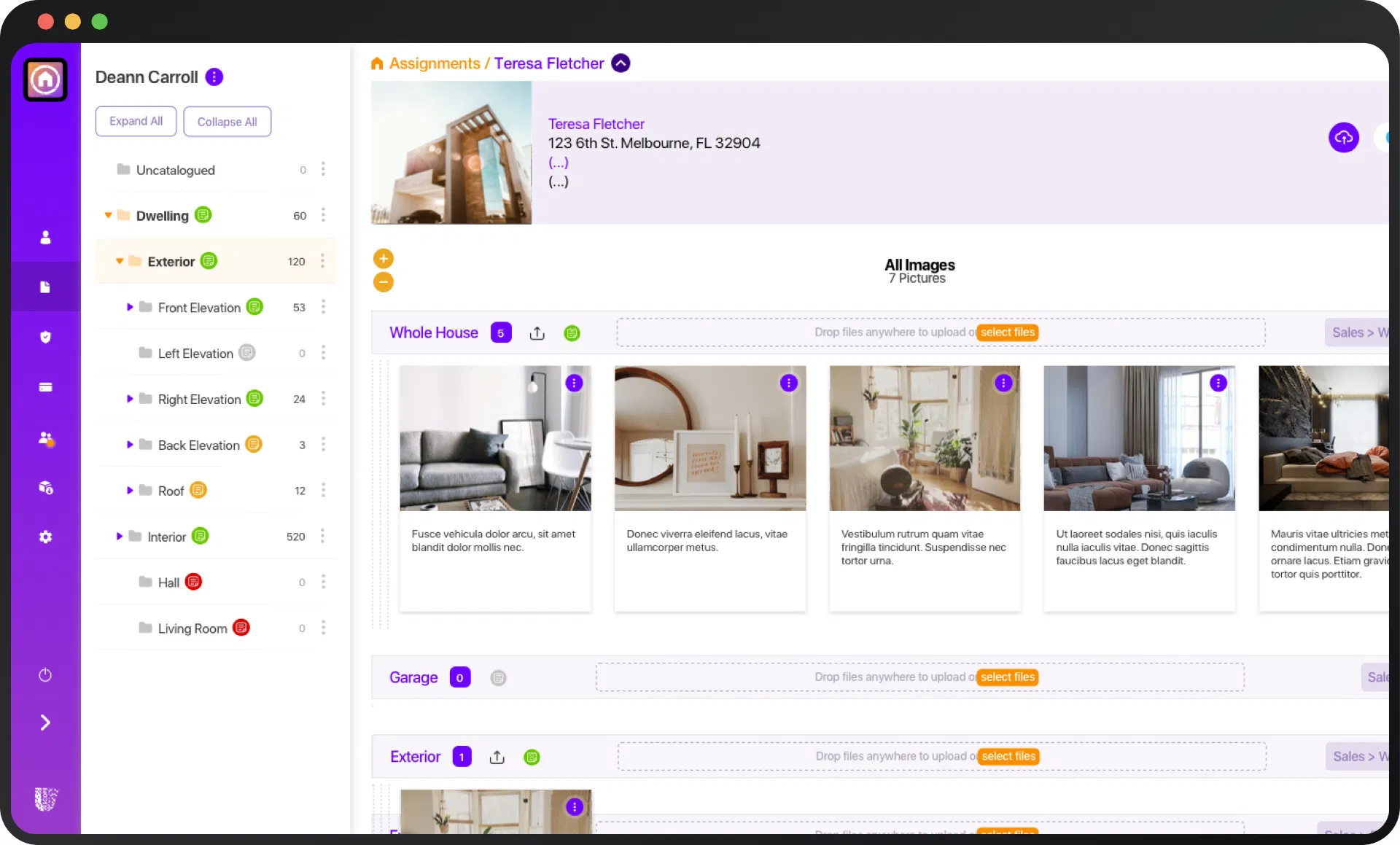
Compare that to PHOTO iD by U Scope, where you get an enterprise-grade platform used by over 100,000 pros for a predictable monthly or annual fee. You start at "Version 10.0" on day one.
The Ghost in the Machine: The Hidden Cost of Updates
Let’s say you spend the $50k. The app is live. You’re happy.
Then, six months later, Apple releases iOS 20 (or whatever version is next). Suddenly, your custom camera module crashes every time a user tries to zoom. Or Google updates Android’s privacy settings, and your app can no longer access the gallery.
This isn't a "maybe." It is a mathematical certainty.
Software maintenance typically costs 15% to 20% of the original development price every single year. For a $50,000 build, you are looking at an additional $7,500 to $10,000 per year just to keep the lights on. That doesn’t include:
- Security Patches: Protecting your client’s property data is a legal requirement.
- OS Updates: Every time a new phone comes out, your developer needs to bill you for more hours to ensure compatibility.
- Bug Fixes: As your database grows, new "ghost" bugs will appear that weren't there at launch.

When you use a ready-to-go field service app like PHOTO iD, those costs are zero. We handle the updates, the security audits, and the OS compatibility. Your only job is to take the photos and win the jobs.
The Opportunity Cost: What Are You NOT Doing?
Every hour you spend in a meeting with a software developer is an hour you aren’t:
- Closing new contracts.
- Managing your crews.
- Reviewing project margins.
Are you a contractor or a software product manager? If you’re trying to be both, you’re failing at both.
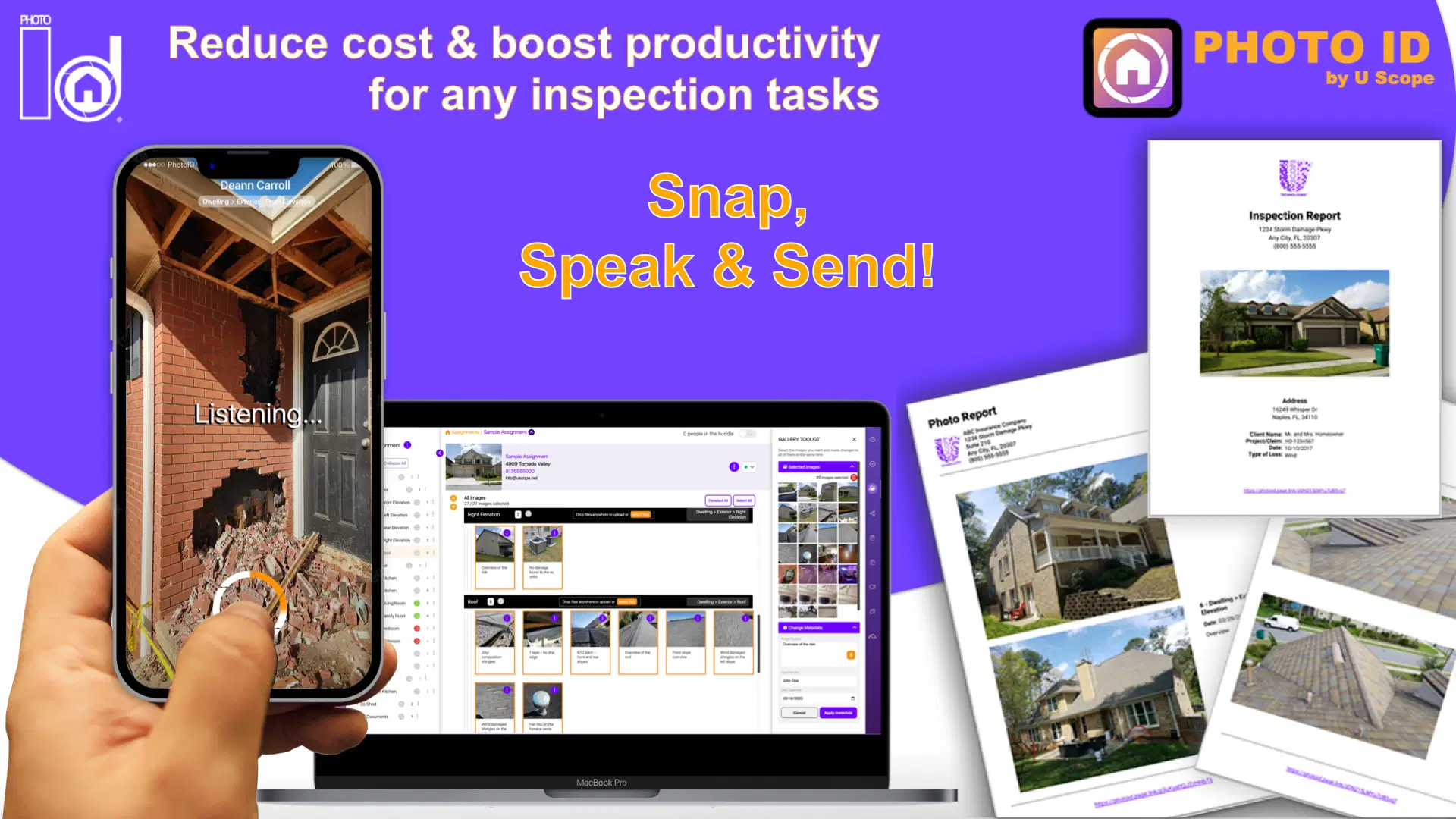
While you are struggling to fix a "syncing error" in your custom app, your competitor is using PHOTO iD’s hands-free voice labeling to document a jobsite in half the time. They are sending professional, audit-ready PDF reports before they even leave the driveway.
The math is simple: 30-60 minutes saved per task multiplied by your hourly rate. If your custom app takes two years to get right, how much revenue did you lose in the meantime?
Why "Good Enough" Documentation is Costing You 3 Hours a Week
Many companies try to avoid the DIY trap by just using "free" tools like WhatsApp or Dropbox. But that is just a different kind of trap.
Without a specialized photo management for contractors system, your office staff is likely wasting 3+ hours a week just trying to figure out which photo belongs to which estimate.
PHOTO iD solves this by providing:
- Instant Image Labeling: Right from the camera.
- Customizable Workflow Templates: Ensure every inspector follows the same professional standard.
- Seamless Integration: Your photos go where they need to go, instantly.
The "Professional" Standard
In 2026, professionalism isn't just about doing good work; it's about proving you did good work. If you show up to a multi-million dollar property loss with a buggy, "home-grown" app that crashes, what message does that send to the adjuster or the homeowner?
Using a recognized industry standard like PHOTO iD tells your clients: and your insurance partners: that you take documentation seriously. It shows you have invested in a platform that has already captured over 20 million images and survived the rigors of 1 million+ property inspections.
Check out our complete guide to professional photo reports to see exactly what "audit-ready" looks like.
The Verdict: Buy vs. Build
If you have a $500,000 budget and a dedicated IT department, go ahead: build your own app.
But if you are a field service professional who wants to save time, stop losing photos, and get paid faster, the "DIY Trap" is a mistake you can't afford to make.
Why spend $50,000 and 12 months building a tool when you can have a better version today for the price of a couple of coffees?
Stop Wasting Time. Start Scaling.
Don't let disorganized photos or expensive custom software projects hold your business back. Get the platform that’s already been perfected for your industry.
Explore PHOTO iD Pricing and Start Your Free Trial Today

Want to see how we stack up against the competition? Read our breakdown of Custom Template Apps vs. Generic Camera Apps and discover why specialization wins every time.