
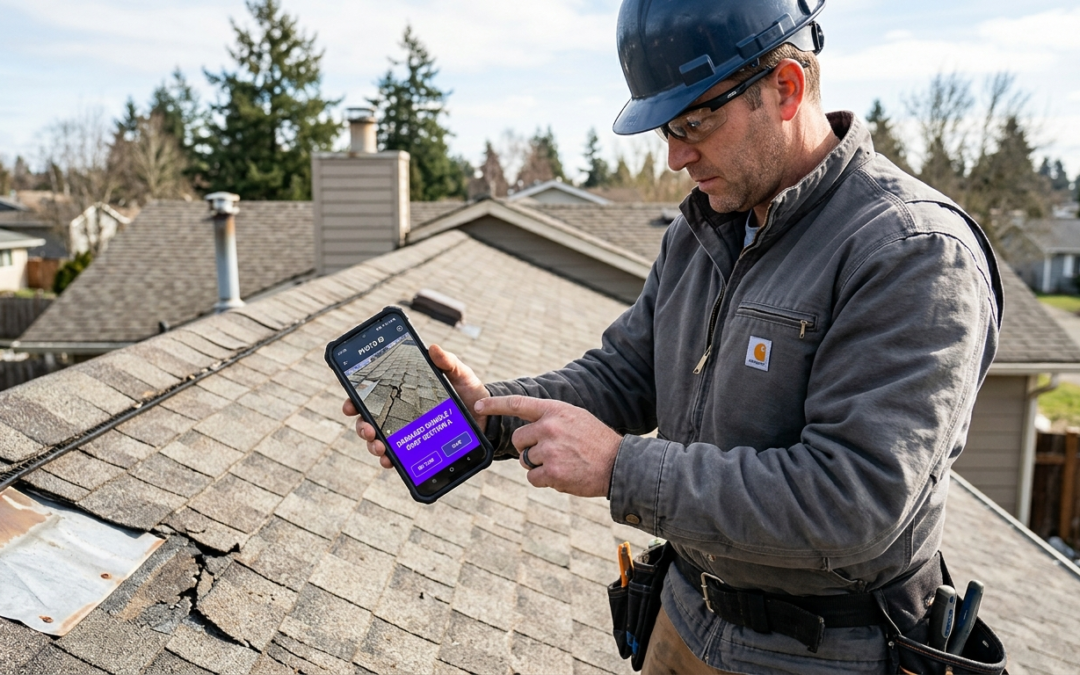
professional photo report
What Exactly Is a Professional Photo Report and Why It Matters
Unlike casual photos, these reports follow standardized formats that meet industry requirements for evidence and compliance.
More Than Just Pictures
A professional photo report transforms random snapshots into legally defensible documentation. Each image includes GPS coordinates, timestamps, descriptive labels, and contextual information that explains site conditions.
The difference? Systematic capture. Professional reports follow consistent naming conventions, maintain chain of custody, and organize images in logical sequences that insurance adjusters and legal teams can review quickly.
No more digging through hundreds of unnamed files or trying to remember which room that water damage photo came from.
Documentation That Actually Protects You
Professional photo reports serve as primary evidence in disputes, claims, and compliance audits. They establish factual records that protect service providers and clients from misunderstandings about work performed, conditions encountered, or damage discovered.
Insurance companies now rely on structured photo documentation to approve claims faster. When reports follow industry standards, adjusters can verify work completion without site visits, reducing approval times from weeks to days.
The Hidden Cost of Poor Documentation
Here’s what most contractors don’t realize: manual documentation eats up 2-3 hours per project. That’s time spent labeling, organizing, and formatting photos after returning from the site. Time that could be spent on billable work.
Worse? Administrative delays hold up invoicing. You’ve done the work, but you can’t bill until the paperwork is done.
Time Impact
Projects requiring 50+ photos can consume three hours of post-job documentation work. Real-time labeling tools can cut that time to under 15 minutes, which lets teams complete more jobs per week while improving report quality.
The Anatomy of an Effective Photo Report: Key Components for Credibility
Images That Tell a Story
Effective reports start with context. Wide shots establish room layouts and spatial relationships. Close-ups capture detailed damage or work areas. Each image should answer: where it was taken, what it shows, and why it matters.
Consistent lighting and angles prevent confusion during review. Photos taken from similar positions across multiple visits allow adjusters to track changes over time.
Blurry or poorly lit images? That’s an automatic request for additional documentation. And more delays.
Labels That Make Sense
Labels transform individual photos into a coherent narrative. “Kitchen water damage, north wall” provides more value than “water damage” alone. Specific room identification, damage types, and work performed eliminate guesswork.
Standardized terminology helps insurance adjusters review documentation quickly. Consistent labeling across projects builds credibility and speeds claim processing.
The Metadata That Matters
GPS coordinates, timestamps, and device information provide proof of when and where documentation occurred. This metadata reduces disputes about timeline or location accuracy. Many systems embed this data automatically during capture.
PHOTO iD captures GPS coordinates and timestamps for each image, supporting thorough documentation without manual data entry. This approach reduces human error while creating records that meet common insurance documentation requirements.
Documentation Standards
Many insurance carriers expect photos with verifiable timestamps and location data. Manual processes often miss this information, which can lead to claim delays when documentation cannot be authenticated.
Accelerating Your Workflow: How to Create Reports in Minutes, Not Hours
The Real Cost of Manual Processes
Most field teams capture 50-100 photos per job, then waste hours organizing files back at the office. This prevents teams from scheduling additional work and creates opportunities for errors that compromise report quality.
Think about it: you’re paying technicians to do administrative work instead of generating revenue.
Document While You Work
Real-time labeling eliminates post-job administrative work by organizing photos during capture. Field teams complete documentation on site, then export finished reports immediately.
Details get recorded while context is fresh. No more trying to remember what that photo from Tuesday afternoon actually showed.
Mobile solutions work in field conditions without requiring laptop setups or constant connectivity. Photos sync and organize automatically when connectivity returns.
Templates That Actually Work
Water damage assessments focus on moisture readings and affected materials. Roof inspections prioritize structural conditions and weather damage. Different project types need different approaches.
Preconfigured workflows guide field teams through systematic capture, preventing missed angles or conditions. This structured approach maintains consistency across technicians while allowing project-specific flexibility.
Everything in One App
Integrated measurement tools, pitch gauges, and annotation features eliminate the need for separate equipment during documentation. Field teams capture dimensions, angles, and detailed notes inside photos.
Complete reports without switching among multiple apps or tools? That’s efficiency.
Workflow Optimization
Teams that use integrated documentation tools can finish reports faster than manual methods while capturing more consistent detail through guided workflows.
What Separates Good Documentation from Professional Photo Reporting
When Documentation Fails, You Pay
Incomplete documentation delays claim payments and creates coverage disputes. Courts increasingly expect structured photo evidence in liability cases. Poor documentation exposes contractors to payment disputes and weakens their ability to defend completed work.
It’s not just about getting paid. It’s about staying in business.
Transparency Builds Trust
Professional photo reports demonstrate accountability and thoroughness. Detailed before-and-after documentation clarifies what work was performed, reducing disputes about scope or quality.
Clear documentation supports higher client satisfaction and more referral business. Happy clients refer more clients.
Document the “Why,” Not Just the “What”
Professional reporting goes beyond showing damage by documenting its implications. Photos of water stains should include moisture readings and affected materials. Structural documentation should show not only cracks, but also their relationship to load-bearing elements.
This context helps adjusters understand repair needs without requiring a site visit.
Seamless Integration
Reports export directly to PDF or integrate with Guidewire (ClaimCenter), Salesforce, Jobber, and JobNimbus for smooth data flow and collaboration. Integration keeps documentation moving through existing business processes without duplicate data entry.
Professional Standards
The difference between adequate documentation and professional photo reporting comes down to consistency, clear labeling, and clean handoff into the rest of the job workflow.
Frequently Asked Questions
What makes a photo report professional, not just a collection of pictures?
A professional photo report is structured visual documentation with precise metadata. It turns random snapshots into legally defensible evidence. Each image includes GPS, timestamps, and descriptive labels, following standardized formats for evidence and compliance. This systematic capture and organization is what sets it apart.
How do professional photo reports benefit insurance claims and legal cases?
These reports serve as primary evidence, establishing factual records that protect both service providers and clients. Insurance companies rely on structured photo documentation to verify work and approve claims faster, sometimes reducing approval times from weeks to days. They eliminate misunderstandings about site conditions or work performed.
What are the key components of a credible professional photo report?
A credible report needs clear, contextual images that show both wide layouts and close-up details. Accurate labeling and captions are essential to tell a coherent story, identifying specific rooms or damage. Finally, essential data like GPS coordinates, timestamps, and device information provide verifiable proof of when and where documentation occurred.
How can field teams cut down the time spent creating photo reports?
Manual documentation can waste hours post-job, delaying invoicing and tying up resources. Mobile-first solutions with real-time labeling reduce this bottleneck by organizing photos during capture. Field teams can complete documentation on site and export finished reports immediately, cutting post-job work from hours to minutes.
Why is real-time photo labeling so important for field documentation?
Real-time labeling eliminates the need for extensive administrative work back at the office. It ensures details are recorded while the context is fresh, improving accuracy and reducing errors. This approach allows field teams to export completed reports immediately after a job, freeing them up for more revenue-generating work.
How does a tool like PHOTO iD streamline the professional photo report process?
PHOTO iD is a mobile and web app platform designed to organize, label, and share property inspection photos efficiently. It supports generating detailed photo reports before leaving a jobsite, reducing post-job documentation from hours to minutes. Features like custom workflow templates, in-camera tools, and automated guidance help field teams capture consistent, compliant documentation.